
Gambling's role in shaping modern cultural narratives
The Psychology of Gambling
The psychology of gambling is a complex interplay of risk, reward, and human behavior. It reveals much about our innate desires for excitement and social interaction. Gamblers often experience a rush of adrenaline that can be addictive, leading to a cycle of anticipation and gratification. This psychological phenomenon can shape not just individual choices, but broader societal norms surrounding risk-taking and leisure activities. For example, many players turn to Casoola New Zealand casino for their gaming experiences, influenced by the thrill of seeking rewards.
Gambling in Popular Media
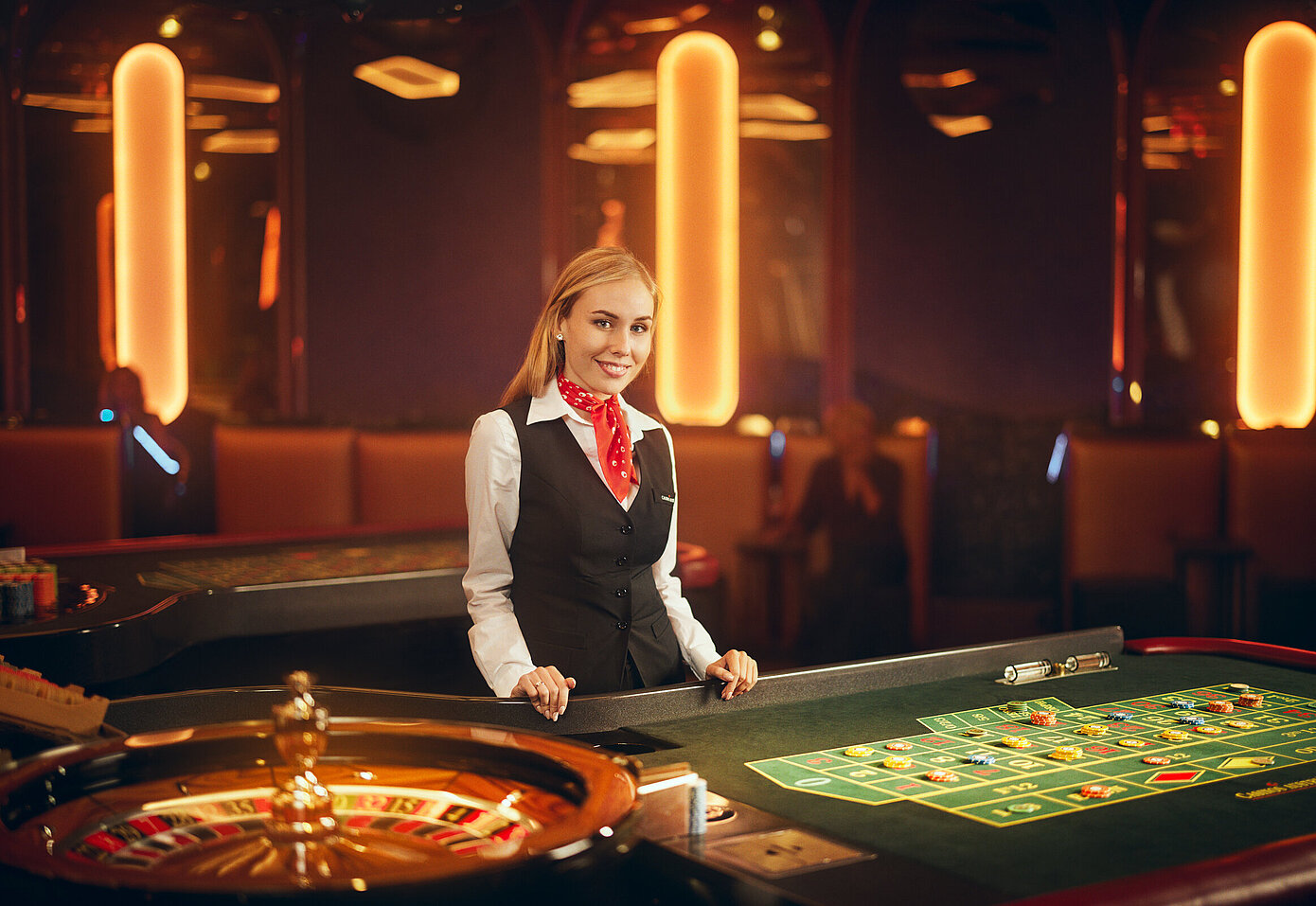
Gambling has permeated popular media, influencing how cultures perceive risk and fortune. Movies, television shows, and literature often romanticize gambling, portraying it as a pathway to wealth and status. This portrayal can skew public perception, making gambling seem more appealing and less risky than it might truly be.
Moreover, these narratives can also reinforce stereotypes and cultural myths about gamblers. Characters in films often reflect societal attitudes, depicting gamblers as either brilliant strategists or unfortunate victims. This binary representation shapes the cultural conversation around gambling, often overshadowing the nuanced realities of its impact on individual lives.
The Social Implications of Gambling
The social implications of gambling extend beyond individual experiences; they influence communities and public policy. Areas with prominent gambling establishments may see shifts in social dynamics, economic opportunities, and public health issues. The accessibility of gambling can lead to increased participation, but it can also result in problems such as addiction and social inequality.
As societies grapple with these challenges, discussions about regulation, education, and responsible gambling practices become increasingly important. The ways in which communities respond to gambling-related issues can reflect broader cultural values, highlighting the ongoing tension between personal freedom and social responsibility.
Gambling as a Cultural Expression
Gambling is not just a pastime; it can be seen as a form of cultural expression. Many cultures incorporate gambling into their traditional celebrations and rituals, revealing its historical significance and emotional resonance. These practices often serve as communal experiences, fostering connections among participants.
This cultural aspect of gambling can also be a medium for storytelling, where tales of luck, loss, and redemption are passed down through generations. As these narratives evolve, they contribute to the rich tapestry of a culture’s identity, illustrating how deeply intertwined gambling is with human experience.

Casoola Casino: A Modern Gaming Experience
Casoola Casino exemplifies the contemporary intersection of gambling and culture in the digital age. Launched to offer an expansive gaming experience, it features thousands of games, including a vibrant live casino that brings the excitement of gambling to players’ screens. With a focus on user engagement and responsible gaming, it reflects the evolving landscape of gambling.
Moreover, Casoola Casino acknowledges the importance of player safety and offers generous incentives, such as bonuses and free spins, enhancing the overall experience. By prioritizing player welfare and innovative gaming options, it positions itself as a key player in shaping modern cultural narratives around gambling.

adimdavidchi1999
All Author Posts